
Sustainable packaging solutions are methods and machinery that reduce the environmental cost of packing a product without slowing the line down. They cover three things at once: the material the product goes into, the amount of that material used, and the energy and waste the packing process itself creates. For a manufacturer, the appeal is simple. The greener choice is usually the cheaper one over time.
There is a myth worth clearing up first. Sustainability in packaging is often sold as a trade-off, greener but slower, greener but pricier. On an industrial line the opposite is closer to the truth. The biggest source of waste on most packing floors is not the bag. It is the product given away in overfilled sacks and the material thrown out from bad seals.
What makes packaging sustainable on a production line
Three levers move the number, and only one of them is about the bag itself.
Material choice is the visible lever. Recyclable woven polypropylene, right-sized bags, and mono-material films that a recycler can actually process all reduce the footprint of the finished pack. A bag that cannot be recycled is waste the moment it is emptied.
Material reduction is the quiet lever, and it saves the most money. Precise weighing means the bag holds exactly the target weight, not 2 percent over. Servo-controlled sealing uses only the film it needs. Every gram not given away is a gram not bought.
Process efficiency is the third lever. A line that runs at stable speed with low reject rates wastes less energy per bag and produces fewer failed packs that go to landfill. Automation is what makes that stability possible.
How automation reduces waste
The link between automation and sustainability is direct, and it shows up in numbers a plant can measure.
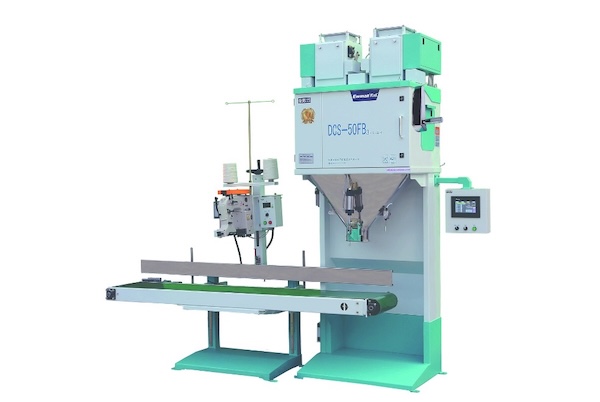
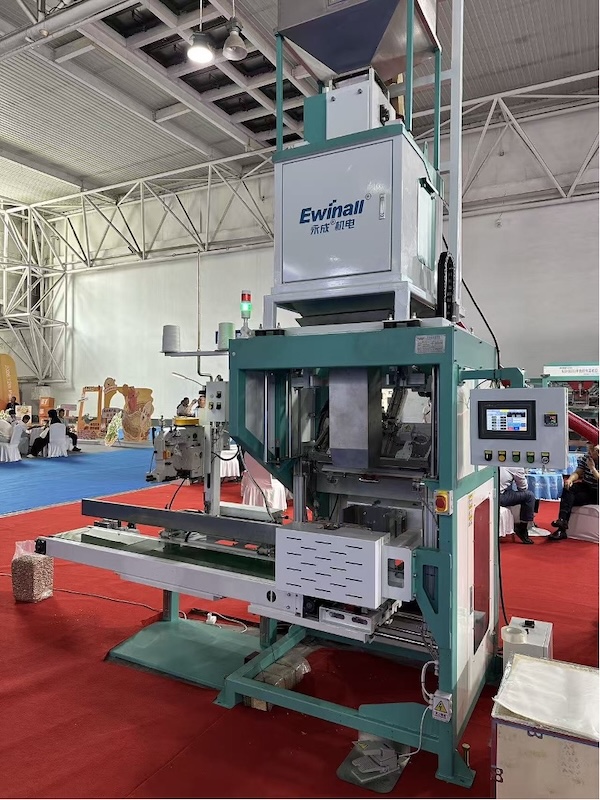
Start with give-away. A manual filler aims for the target weight but always errs high to avoid shorting the customer. Over a production run, that safety margin becomes tonnes of free product. A weighing system built on a multi-load-cell structure holds the fill tight to target, so the give-away shrinks toward zero. That is product saved, and product not made in the first place, which means less energy, water, and raw material upstream.
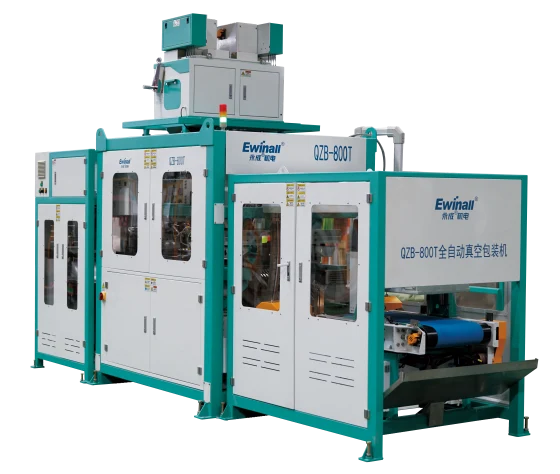
Reject rates tell the same story. A bad seal is a bag emptied, cleaned up, and repacked, with the film thrown away. Servo-driven sealing and fault self-diagnosis catch problems before a full pallet is ruined. Fewer rejects means less material in the bin.
Labor and safety are part of the picture too. Moving people off heavy repetitive lifting reduces injury, and a line that runs reliably does not need the energy-hungly stop-start cycles a struggling manual line depends on.
Practical steps toward greener packing
A factory does not become sustainable in one purchase. It gets there through a sequence of decisions, most of which also lower cost.
The first step is measuring give-away. Weigh a sample of finished bags against target and calculate the average overfill. That number, multiplied by annual volume, is usually the single largest saving available, and tightening it needs accurate weighing, not new materials.
The second step is matching the bag to the product. Oversized packaging wastes film and freight. Right-sizing the bag to the actual product volume cuts material on every unit.
The third step is choosing recyclable formats where the supply chain can handle them. A recyclable bag only helps if a recycler downstream can process it, so the format has to match local reality, not just look green on a spec sheet.
Ecronic engineers packaging automation for grain, food, feed, and industrial materials across 60 or more countries, with weighing and sealing built to hold tight tolerances. Tight tolerances are where sustainability and cost savings meet on the same line.
The business case, stated plainly
Sustainable packaging is not a cost center dressed up as a virtue. On an industrial line the same actions that lower the footprint also lower the bill. Less give-away means less product bought. Fewer rejects mean less material wasted. Stable automated running means less energy per unit.
The buyers a manufacturer sells to are also changing. Retailers and export markets increasingly ask for recyclable formats and credible waste reduction. A packing line that already runs tight on weight and material is not just cheaper to operate. It is easier to sell through.
FAQ
Does sustainable packaging cost more? The materials sometimes cost a little more per unit. The process savings usually outweigh that. Reducing give-away and reject rates on an automated line often saves more than the material premium adds, so the net cost falls over time.
What is the biggest source of packaging waste in a factory? For most producers of granular or powder products, it is give-away, the product filled above target weight, followed by rejected packs from bad seals. Both are reduced by accurate weighing and controlled sealing, not by changing the bag.
Can automation really make packing greener? Yes, and it does so mainly by using less. Precise fills use less product. Controlled seals use less film and create fewer rejects. Stable running uses less energy per bag. The environmental gain comes from reduction, not from a single green feature.
How do I start without replacing my whole line? Begin by measuring give-away and reject rates on the current line. Those two numbers show where the waste and the money are. A semi-automatic weighing upgrade often addresses the largest loss first, before any full-line investment.
Where to go from here
Sustainable packaging solutions work best when the environmental goal and the cost goal point the same way, which on an industrial line they usually do. The starting point is not a new material. It is knowing how much product and film your current line gives away, and where accurate automation would close that gap.
Ecronic builds complete packaging lines designed to hold weight and seal tolerances tight, for manufacturers who want the greener line and the cheaper line to be the same line. The first conversation is about your product, your current waste, and the numbers behind both.